
How Do You Integrate a CDL Driver Onboarding App with Fleet Payroll and HR Systems?
- Jonathan Vogt
- Jun 11
- 6 min read


Integrating a Commercial CDL driver onboarding app with fleet payroll and HR systems is essential for trucking organisations. Many fleets face delays and compliance gaps during onboarding. A correct integration streamlines workflows, improves data accuracy and supports driver retention. This guide reviews the benefits of digital CDL onboarding, explains how automation improves payroll accuracy, outlines secure handling of driver credentials and describes how Ready App can support integration to realise operational efficiencies. Learn more about carrier solutions.
What Are the Key Benefits of Using Digital CDL Driver Onboarding Apps?
Digital CDL onboarding applications deliver measurable gains in operations and regulatory compliance. The most relevant advantages are listed below.
Efficiency Improvements: Automated tasks reduce manual data entry, cut processing time and lower the risk of human error.
Enhanced Compliance: Centralised document storage ensures required paperwork is tracked and available for audits, reducing regulatory exposure.
Improved User Experience: Drivers complete onboarding faster through guided, digital workflows that reduce friction.
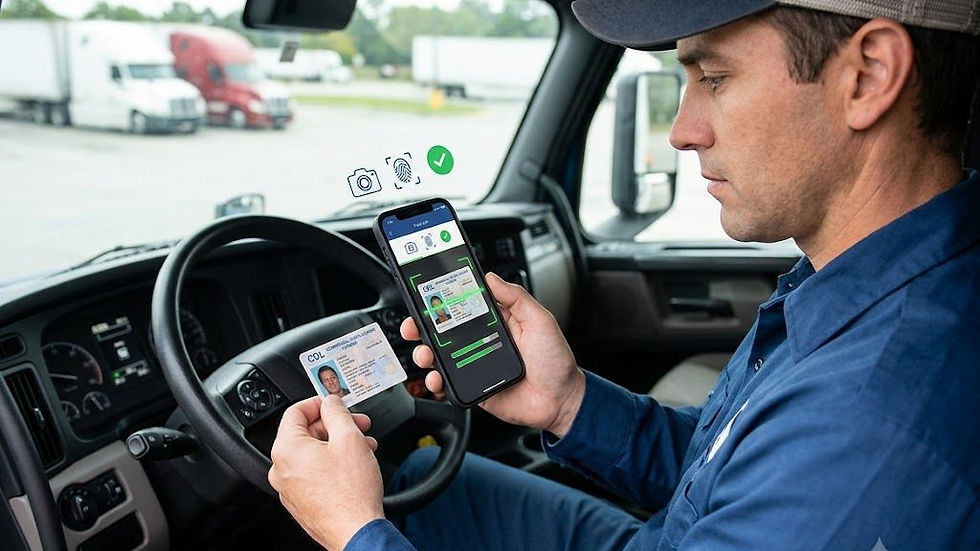
Ready App provides onboarding tools tailored to the trucking sector, digitising credential submission and compliance tracking to support integration with payroll and HR systems and maintain data consistency. See driver-focused capabilities at driver-centric features.
How Does Driver Onboarding Automation Improve Payroll Accuracy and Compliance?
Automation improves payroll accuracy by centralising documents and making required data available for processing. Digital onboarding reduces missing or misfiled records that can delay payments or trigger compliance issues.
Automated background checks and compliance tracking feed validated data into payroll systems, which lowers error rates. Real-time notifications keep HR teams informed of onboarding milestones so drivers are only added to payroll once compliance checks are complete.
What Security Measures Ensure Safe Digital Storage of Driver Credentials?
Protecting driver credentials requires clear technical and administrative controls. The following measures reduce exposure and support regulatory compliance.
Data Encryption: Encrypt stored and transmitted data so information remains unreadable to unauthorised parties.
Access Controls: Apply role-based permissions to limit access to sensitive driver records to authorised staff only.
Regular Security Audits: Perform scheduled audits and vulnerability assessments to identify and remediate gaps promptly.
These safeguards protect driver records and help maintain compliance with data-protection requirements.
How Do You Seamlessly Integrate Driver Onboarding Apps with Fleet Payroll Systems?
Successful integration begins by identifying common obstacles such as differing data formats and system interoperability constraints. Document the data flows and required touchpoints before implementation.
Fleets should evaluate integration platforms designed for payroll and HR interoperability. Follow best practices for data synchronisation, including:
Using tools that support real-time data exchange between onboarding and payroll systems.
Establishing validation checks to ensure data consistency during transfers.
Training HR staff on workflows to reduce adoption friction and operational errors.
What Are Best Practices for Integrating CDL Onboarding with Truck Driver HR Software Solutions?
Adopt proven practices to streamline integration and maintain compliance across HR and payroll systems.
Implementing One-Time Application Submissions: Have candidates submit documentation once to remove redundancy and simplify verification.
Establishing Centralized Document Management: Maintain a single repository for driver documents to speed access for HR and payroll.
Utilizing Real-Time Notifications: Configure alerts for compliance milestones to keep stakeholders aligned and reduce missed deadlines.
Applying these practices improves onboarding efficiency and supports sustained management of driver records over time.
How Does Ready App Facilitate Automated Compliance Tracking for HR Teams?
Ready App centralises document management so HR teams can access compliance files without manual searches, reducing administrative workload.
Integrated notifications inform HR and payroll when documents are received and verified. Automated workflows cut repetitive tasks related to compliance tracking, allowing teams to focus on higher-value activities and lowering the risk of costly errors. For specific questions, contact Ready App.
What Benefits Do Recruiters Gain from HR Data Integration in Driver Onboarding?
HR data integration delivers practical benefits for recruiters by improving process speed and data access.
Streamlined Onboarding Processes: Integrated data flows reduce the time required to bring new drivers on board.
Centralized Document Management: Recruiters access all necessary records from a single source, supporting faster decisions.
Automated Background Checks: Automated checks accelerate verification and confirm regulatory eligibility.
These capabilities increase recruiter productivity and create a clearer experience for candidates.
Which CDL Onboarding App Features Optimize Document Management and Compliance Tracking?
Key features enhance document handling and compliance oversight in onboarding tools.
One-Time Application Submissions: Reduce repeated data entry by allowing single submission of credentials.
Real-Time Notifications: Keep teams updated on documentation status and outstanding requirements.
Automated Background Checks: Expedite verification and confirm compliance before hiring decisions.
Implementing these features supports consistent compliance and a more efficient recruitment cycle.
How Is Automated Document Verification Implemented in Driver Onboarding Tools?
Automated document verification simplifies compliance checks and reduces manual review time. Common elements include the following.
Centralized Management of Driver-Related Documents: Store records securely to ensure authorised access during onboarding.
Verification Processes that Ensure Compliance: Use automated checks to confirm required documentation is complete and meets regulatory standards.
Real-Time Alerts for Missing Documentation: Notify drivers and administrators when items are outstanding to speed resolution.
These automated controls reduce the risk of non-compliance and support consistent verification processes.
How Can Carriers Measure the Impact of Integrating Driver Onboarding with Payroll and HR Systems?
Measure integration outcomes using targeted KPIs that reflect speed, retention and compliance.
Analyzing Time-to-Hire: Track how quickly new drivers complete onboarding compared with prior methods.
Tracking Retention Rates: Monitor whether automation affects driver retention over time.
Measuring Compliance Levels: Record changes in compliance incidents or penalties after integration.
These metrics provide clear insight into operational gains and areas for improvement.
What Industry Statistics Demonstrate Time and Accuracy Improvements?
Industry reports show measurable improvements when teams adopt digital onboarding integrated with payroll and HR systems.
Industry Turnover Reductions: Digital onboarding can reduce driver turnover by up to 25% in reported cases.
Hiring Cycle Efficiency: Automation can shorten hiring cycles from weeks to days.
Improved Data Accuracy Reported by Users: Organisations report higher accuracy in document submission and compliance after integration.
These figures underscore the operational benefits of effective onboarding systems.
Where Can Users Find Support and Guidance for Implementing Onboarding Integration?
Fleets can access support and guidance through multiple channels to assist integration efforts.
Contacting Customer Support: Software vendors, including Ready App, provide support teams to guide integration.
Accessing User Guides and Documentation: Technical manuals and implementation guides explain configuration steps and best practices.
Finding Community Forums: Peer forums offer practical advice and troubleshooting from other users.
These resources help fleets deploy onboarding integrations efficiently and resolve common issues.
How to Access Ready App Onboarding Integration Documentation and Tutorials?
Users can access Ready App integration materials through several straightforward channels.
Visit the Company Website: The Ready App site hosts manuals and integration guides. Visit Ready App for details.
Participate in Live Webinars: Attend scheduled webinars to see walkthroughs and ask questions of product experts.
Utilize FAQs for Quick Answers: Consult FAQs for fast responses to common integration questions.
Access to these materials supports a smoother implementation and faster adoption.
What Are Common Troubleshooting Steps for Payroll and HR Sync Issues?
When payroll and HR synchronization issues occur, follow structured troubleshooting steps to resolve them efficiently.
Contacting Support for Resolution: Open a support ticket with the vendor to diagnose system-level issues.
Utilizing Online Resources and Documentation: Reference implementation guides and knowledge-base articles for known fixes.
Following Integration Best Practices: Verify that data mappings, validation rules and schedules adhere to recommended configurations.
Applying these steps helps fleets address synchronization problems and restore stable data flows.
Frequently Asked Questions
What Challenges Do Fleets Face During Driver Onboarding Integration?
Fleets commonly face data format mismatches between systems, interoperability limits that prevent seamless communication and workforce resistance to new processes. Overcoming these issues requires careful planning, selecting compatible solutions and delivering adequate staff training.
How Can Organizations Ensure Continuous Compliance After Integration?
To sustain compliance, organisations should schedule regular audits of records, enable automated alerts for licence renewals and training deadlines, and run ongoing staff training on regulatory changes. Continuous monitoring and process optimization maintain compliance over time.
What Are the Costs Involved in Integrating CDL Onboarding Solutions?
Integration costs vary by fleet size, software provider and system complexity. Initial expenses may include licensing, implementation services and hardware upgrades, while ongoing costs cover maintenance, updates and training. Treat these expenditures as investments in efficiency and reduced operational risk.
What Metrics Should Be Tracked to Assess Onboarding Integration Success?
Track metrics such as time-to-hire, retention rates and compliance incident counts. Collecting driver feedback on the onboarding experience also highlights usability issues and improvement opportunities that affect long-term outcomes.
How Do External Regulations Impact the Onboarding Process?
External regulations, including FMCSA requirements, determine the documentation and training necessary before hiring. Non-compliance can result in penalties or operational disruption, so embedding robust compliance tracking in onboarding software is essential.
What Role Does Employee Training Play in Successful Integration?
Training is critical to adoption. Structured sessions teach staff how to use integrated systems and explain regulatory implications, reducing resistance and operational errors while improving overall efficiency.
Conclusion
Integrating CDL onboarding software with payroll and HR systems streamlines operations and strengthens compliance. Digitising document management and automating tracking reduce errors and shorten hiring timelines, creating a consistent experience for drivers and HR teams. Discover how Ready App can transform your onboarding by exploring our integration solutions.


Comments